Incredibly, neither Eileen nor I have ever been to the Caribbean. We have been saving the region as a place to explore later in life as the travel and birding are easier than many of the destinations we visit. There are three archipelagos (groups of islands), collectively known as the West Indies, within the bioregion: the more northerly Bahamian Archipelago, the centrally located Greater Antilles, and the more easterly Lesser Antilles. We visited two of the four large islands in the Greater Antilles, Hispaniola and Jamaica (the other two being Cuba and Puerto Rico).
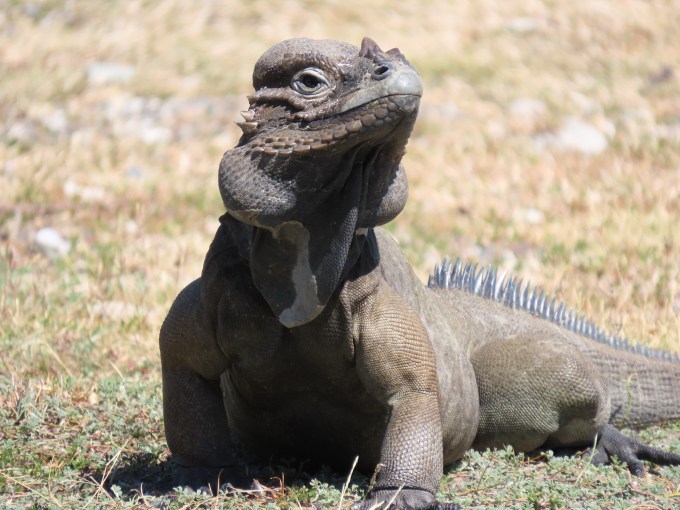
There are 7 bird families endemic to (found only in) the Caribbean, 5 of which occur on Hispaniola, and can be seen in the Dominican Republic, which occupies the eastern half of the island. So this was our primary target area, but we were able to join a tour to Jamaica two days later, making a trip of 18 days (Feb. 14 – Mar. 2). Both tours were run by Field Guides, Inc., with Jesse Fagan leading the DR segment, and Cory Gregory the Jamaican portion. It was great to be traveling again with our friends Terry and Rhys from British Columbia.
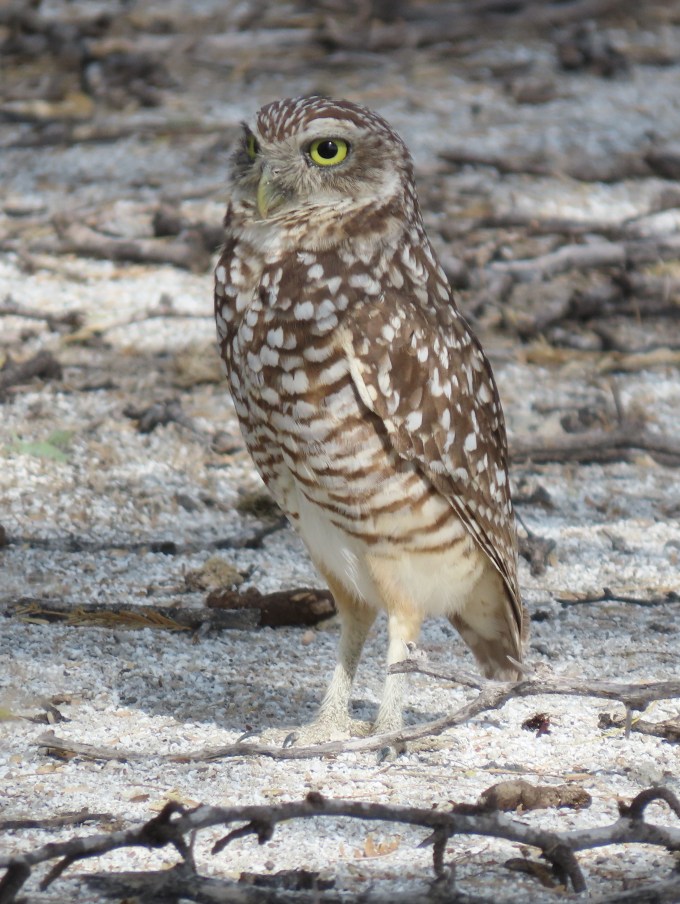
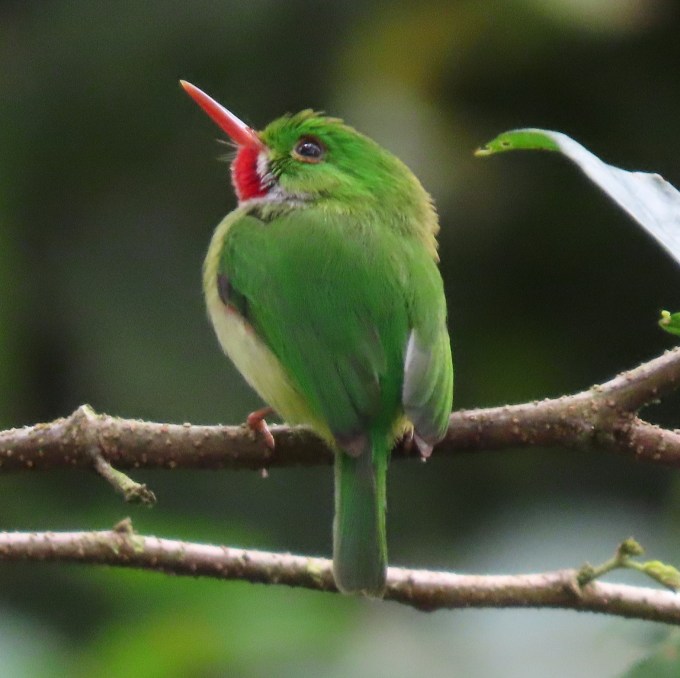
Our first day on DR was mostly transit, heading west of Santo Domingo, but we birded in two areas, one near Bani and the other close to Puerto Escondido. The former had a nice selection of water birds, including a beautiful flock of salmon-pink American Flamingos. The latter yielded 7 endemic species, our favorite being fluorescent lime green Broad-billed Tody, with Hispaniolan Woodpecker and Antillean Siskin as runners-up.
The DR has impressive topography, the central mountain range reaching 10,174 feet of elevation. However, the greatest concentration of endemic species are found in the southwest portion of the DR, in the Sierra de Bahoruco mountain range, because it was formerly an island separated from Hispaniola, on which unique species evolved. We reached about 5500 feet of elevation there, exploring the mountains from the north (via the road to Zapoten, Haiti), the east (El Cachote) and the south (El Aceitillar) over the course of four days. Habitats here included moist broadleaf forest and pine woodland.
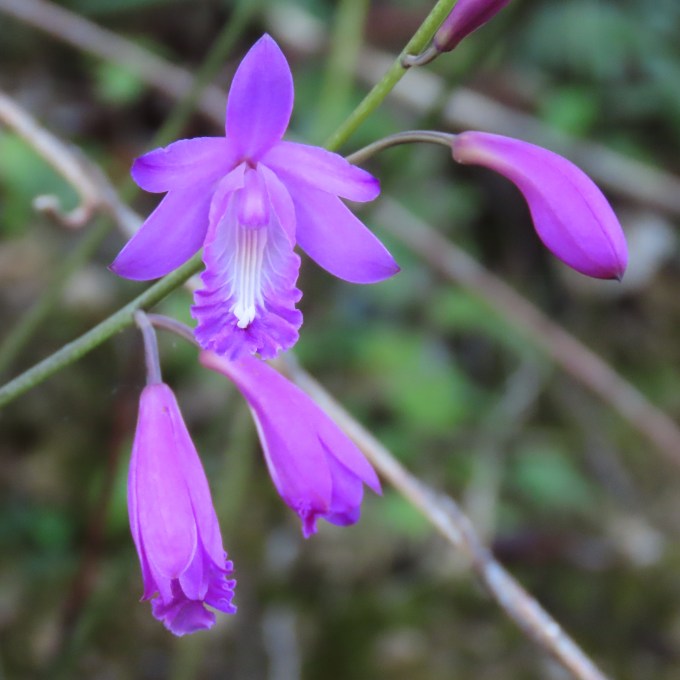
On the first montane foray, from the north, we completed our suite of 5 target families, taking the pressure off for the rest of the trip. 🙂 These families were Palmchat (Dulidae), Hispaniolan Tanagers (Phoenicophilidae), Todies (Todidae) , Chat-Tanagers (Calyptophilidae), and Spindalises (Spindalidae). Favorite birds of the day were Bay-breated Cuckoo, Hispaniolan Trogon, Flat-billed Vireo, Green-tailed Warbler, and Hispaniolan Spindalis.

Pine forests from the southern access hosted one of the most celebrated island endemics, Hispaniolan Crossbill. This was formerly considered conspecific with White-winged Crossbill, which breeds mostly in Alaska and Canada. It is a mystery how it reached Hispaniola before evolving into a new species. On our final sortie into the mountains, from the east, we saw 3 elusive species: Eastern Chat-Tanager (scope view of a singing bird), White-fronted Quail-Dove, and Ruddy Quail-Dove. The quail-doves came into food scattered in the forest, and seeing them so well was a thrilling experience!
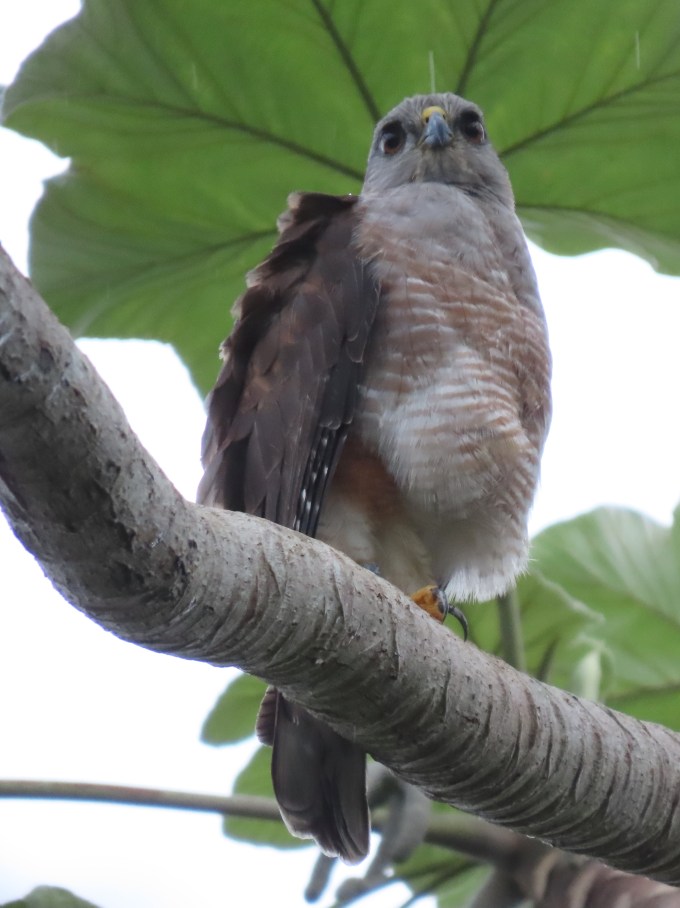
We also spent a day and night at Los Haitises National Park, on the north coast. This park protects an extensive karst formation, including dramatic limestone sea stacks, like those found in Vietnam. This is the last remaining stronghold of Ridgeway’s Hawk, which is critically endangered, with a world population of only about 200 individuals. We took a short boat tour through the mangroves there, on which we saw about 70 West Indian Whistling-Ducks, a bird that was close to being extirpated in the DR before hunting was banned; its population has rebounded since.
In total there are 30 bird species endemic to Hispaniola, all of which we sought, and 28 of which we saw. Our trip list was 121 species and we each saw 44 lifers (species we had not recorded previously). We also identified 31 species in other groups, mostly subtropical plants we knew from South Florida; butterflies; and reptiles.

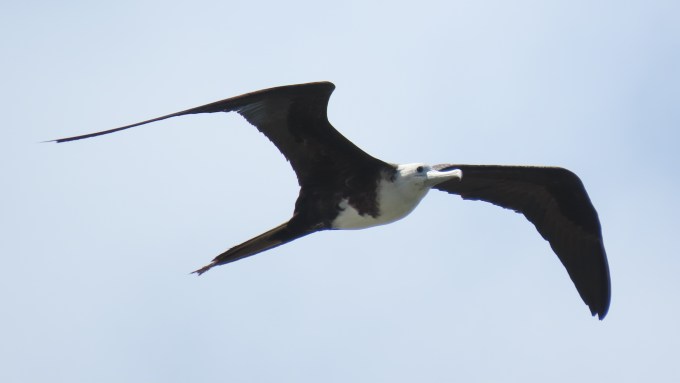
We next flew to Kingston, Jamaica, with over a day to rest and recover before the next tour. We visited Fort Charles with Rhys and Terry and then went to famous Gloria’s Seafood where we had excellent curried fish. We had a huge surprise during lunch when a Pomarine Jaeger (a seabird normally found well offshore) flew by and then circled back, affording excellent views until it was attacked by a Magnificent Frigatebird. Other good birds we saw before the tour started included Peregrine Falcon, Osprey, and Wilson’s Plover.
During our 6 full days of birding, we visited about 8 principal sites. To start, in Hellshire Hills, we saw the scarce Bahama Mockingbird in an interesting arid habitat featuring Pilosocereus jamaicensis, a columnar cactus. It was a particular treat to see the beautiful blossoms of Lignum Vitae, the national flower of Jamaica. Driving across the island, we stopped at Westmoreland Bridge, where we had a few water birds, and then took up residence in Port Antonio, on the northeast coast, for four nights.

The next day we headed southeast into forested terrain along Ecclesdown Road. We each had 14 life birds here, all endemics, representing exactly half the endemic bird species of Jamaica! Favorites were Black-billed Streamertail, Arrowhead Warbler, Jamaican Tody, and Chestnut-bellied Cuckoo. The following day we visited the granitic Blue Mountains, famous for their coffee. The key finds here were the secretive Crested Quail-Dove and the uncommon endemic Jamaican Blackbird, which principally forages in large bromeliads (tropical plants mostly growing on tree branches), a highly unusual behavior for a blackbird.
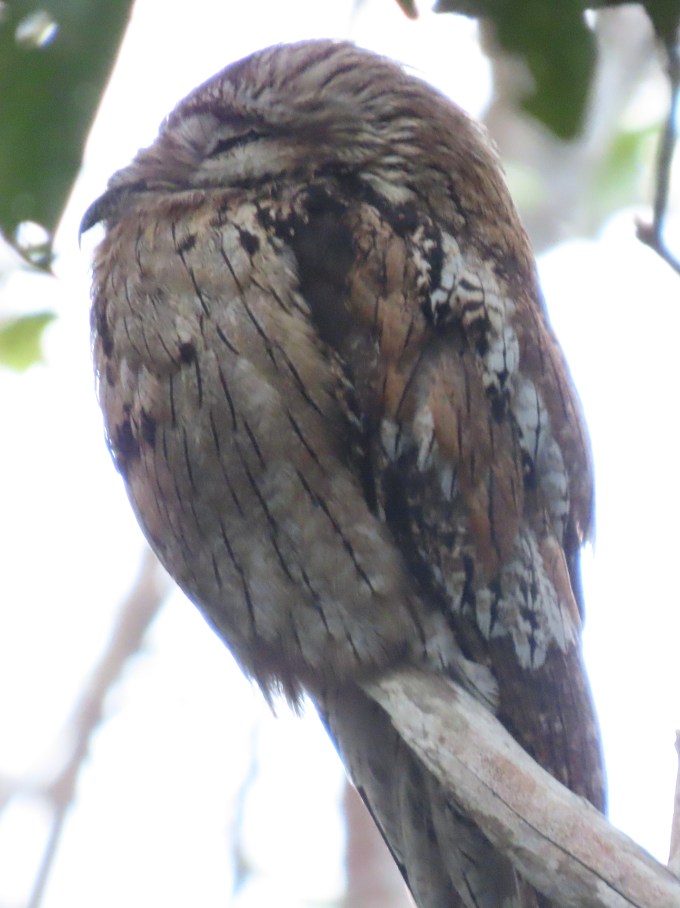
In the Port Antonio area, good finds included Jamaican Owl; distant White-tailed Tropicbirds; Yellow-shouldered Grassquit; and Northern Potoo, our last species in this small family of nocturnal moth-eating birds. Birding here was in the San San Forest and on the lovely grounds of our accommodations on Mockingbird Hill.
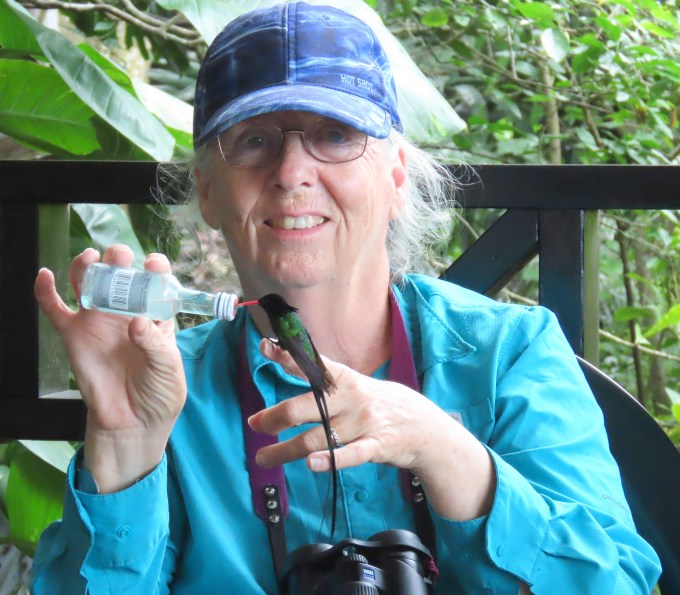
Our final two nights were spent in Montego Bay. Eileen’s favorite spot was the Rocklands Bird Sanctuary, where we fed Red-billed Streamertails and Jamaican Mangos from hand-held hummingbird feeders! The Streamertail, one of the most spectacular hummers on the planet, and the national bird of Jamaica, would sit on your finger while feeding! We also snuck into the sewage treatment ponds to see West Indian Whistling-Ducks and added another 6 species to the trip list as well.
Our last day was spent in the Cockpit Country, an inland karst region. Rain hampered our efforts here and we only added two trip birds. In total, we saw 116 species of birds in Jamaica, of which 32 were lifers, and we had 22 records from other groups, including 4 species of anole lizards. We had a grand total of 76 lifers between the two islands. It was a lot of fun to finally experience a bit of the Caribbean!
 Nomadic Naturalists
My favorite is the Potoo. Are you sure that was not just a very dead stump?
What an incredible tour you planned to the nth degree, then accomplished with aplomb. I hope you do a film now though how on earth could you keep it less that a week long? Evelyn
LikeLike
Another fabulous trip… it is an interesting part of our hemisphere! We’ve been busy with the hospital. Two weeks ago, Bob has successful ablation procedure getting his heart back in rhythm. Then last week, intense pain took us to the emergency room – lots of tests found blocked gallbladder. Drain tube relieved the pain – now waiting for that to heal so they can remove the organ!
Rather be birding in the Caribbean!! Happy travels!
Do take care… Connee and Bob
LikeLike