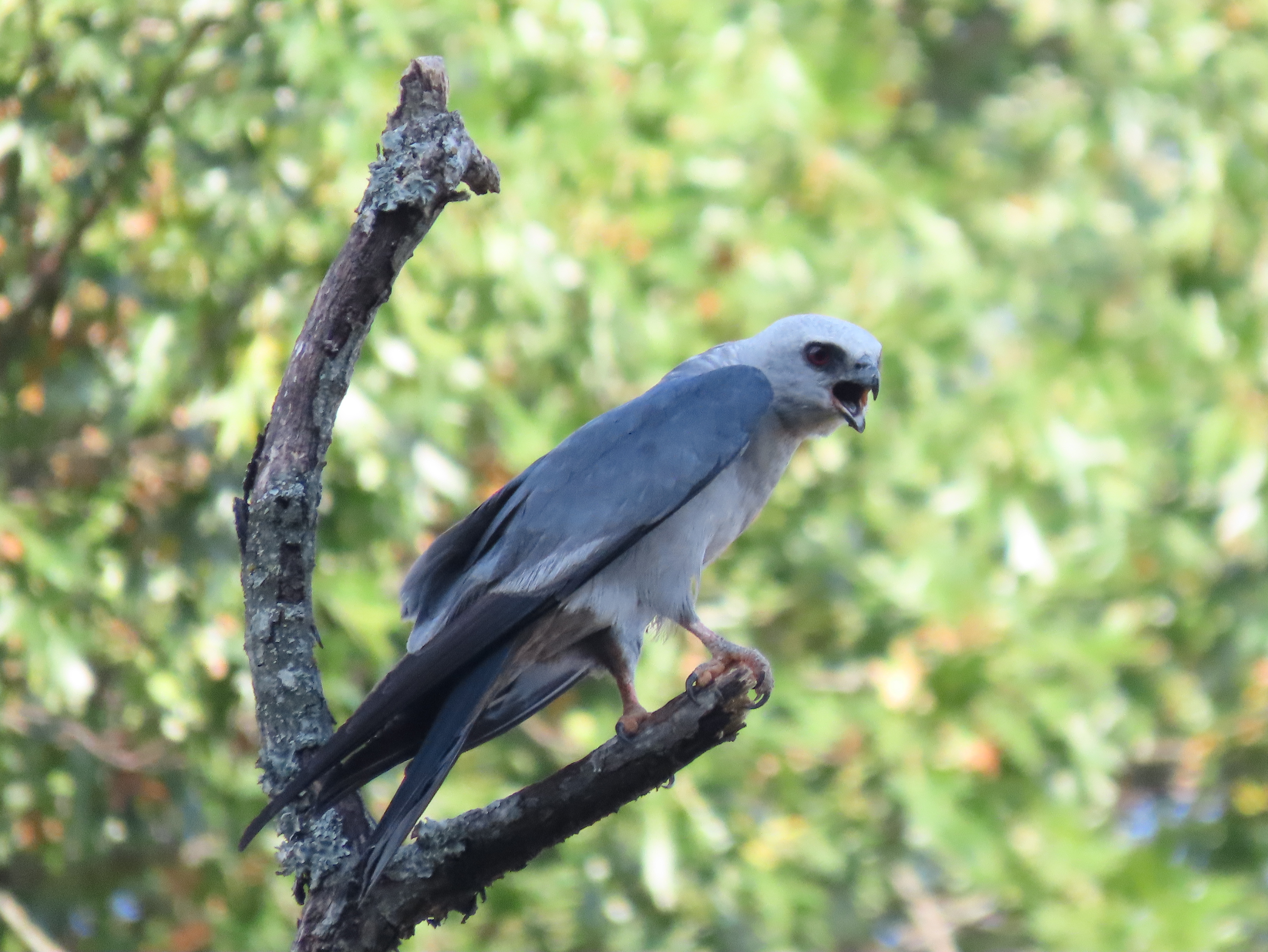
This post covers the last 24 days of our 2024 road trip, Aug. 18 to Sep. 10. It took us three days to drive from Rochester, NY to Alabama, to visit my niece Sara. She is an Assistant Professor at Auburn University doing research on alcoholism using tools such as functional magnetic resonance imaging. It was wonderful to see her again, visit her labs and home, and take a tour she arranged of the Auburn University Raptor Center.
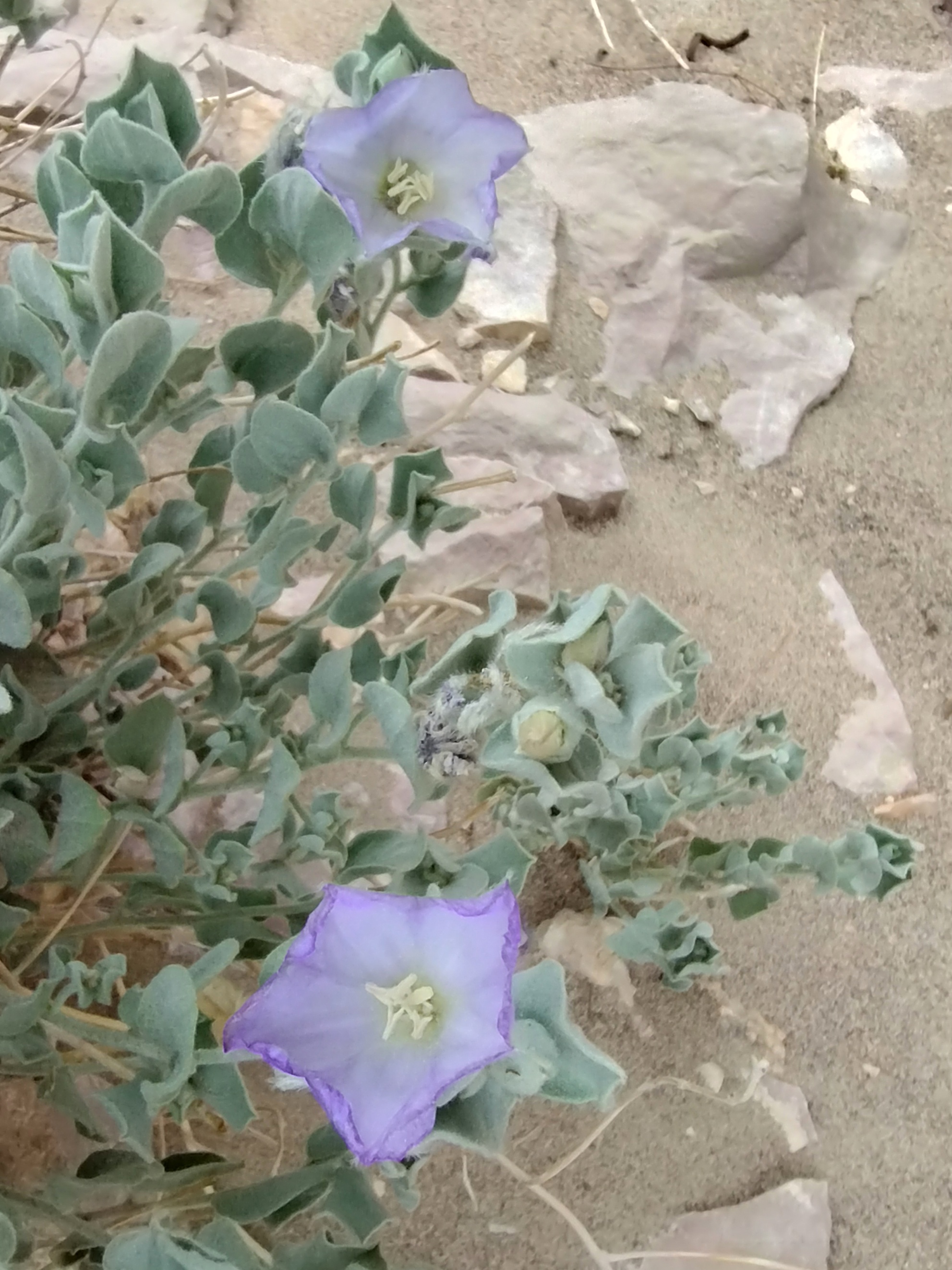
We then headed west and went three for three looking for target plant genera in Alabama and Mississippi. It was great to stay with our friends Martha and Charlie on our way through Fort Worth (Eileen and Martha went to college together). We stayed in Big Bend National Park (about our 15th visit there) to try to find two long-term nemeses. The first was Bonamia ovalifolia, a member of the morning glory family known in the U.S. only from a few sites in Brewster County, TX, which we finally found in flower on our sixth attempt! The second was Mexican Long-nosed Bat, one of only three bat species we have not recorded in the Continental United States and Canada (CUSC). It breeds in Mexico, but in some years after breeding it drifts north to Big Bend, roosting in a single cave, to feed on the nectar of flowering agaves. But the agaves had a poor year due to the monsoonal rains stopping early, and we did not even break out the bat detector.
While repairing the canoe cover in Big Bend, a strong gust of wind picked up our lightweight folding aluminum ladder and pinching and cutting my finger badly, necessitating a 2-hour drive to the emergency room in Alpine, TX for stitches. The next day we made one stop for a rare grass, Allolepis texana, which took less than a minute to find but over an hour to positively identify that evening with the microscope. We stayed one night in El Paso on the way through, and then started a final small loop through southern New Mexico and southeast Arizona. The monsoonal rains, though not spectacular like when we were there in 2021, were nonetheless quite good at least in some areas, and we encountered some real bonanzas. We survived Labor Day weekend in a nice dispersed campsite in the mountains near Cloudcroft, NM, where we found a target genus, a new subspecies of Fremont Squirrel, and several Williamson’s Sapsuckers. We spent one whole day in the rain there, during which I prepared the digital “flash cards” we would use to study the mammals we might see in South Africa next month.

Crossing New Mexico and extreme southeast Arizona, we found one target genus of three; added several shorebirds to our Arizona list at Twin Lakes, in Willcox AZ; and unexpectedly found Fendlerella utahensis, a shrub in the Hydrangea family, a species we have seen only once before. We camped for two nights at a favorite dispersed site in Carr Canyon, where Eileen once saw a Western Spotted Skunk at point blank range, while sipping coffee in her chair. The plants here were outstanding on north-facing cliffs and slopes, the highlight being our target genus Zaluzania, a sunflower-like plant that, in the U.S., is almost entirely restricted to the Huachuca Mountains. Other nice finds here were Whiskered Screech-Owl, Arizona Woodpecker, Ipomopsis thurberi (a member of the phlox family with royal purple flowers), and Sedum cockerellii, a lovely succulent.

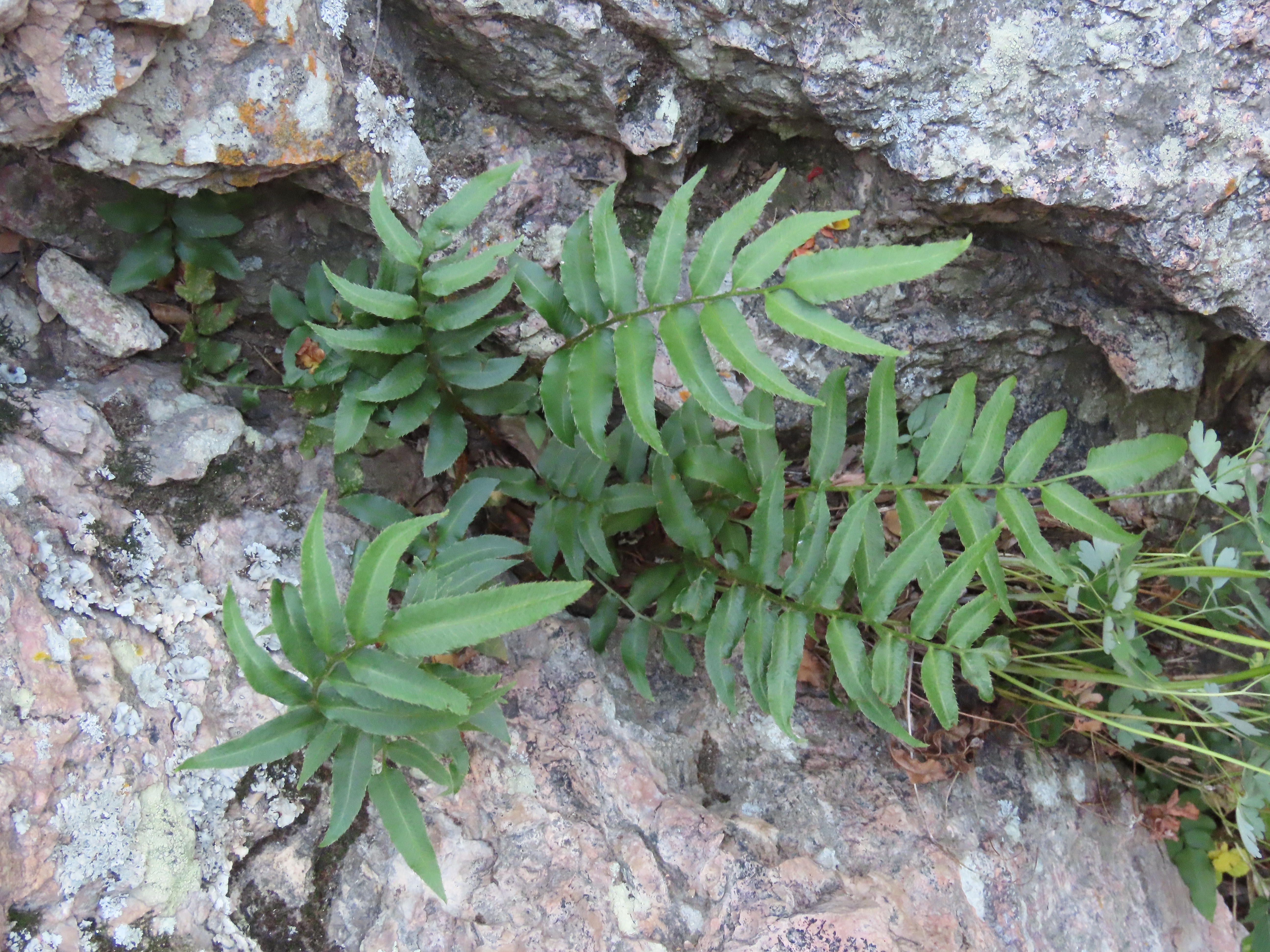
The Pajarito Mountains west of Nogales were really good to us. We located the scarce aster family member Lagascea decipiens (found in only two counties in the U.S.) on California Gulch Road, where we once heard Buff-collared Nightjars all night long from our remote campsite. Eileen photographed six species of butterflies feeding at the Lagascea flowers, three of which turned out to be new for us! We camped at the trailhead into Sycamore Canyon, where a very rough hike can take you to the Mexican border in 6 miles one-way (I did this hike twice in 1986, finding about 20 territorial Five-striped Sparrows plus Montezuma Quails each time). This time I only hiked a bit over a mile in to reach the beginning of the steep canyon walls; Eileen stayed behind because of her knee (she sees an orthopaedic surgeon tomorrow). Once in the canyon proper, I started to search for one of my most wanted plant genera, Phanerophlebia, a rock-loving fern. I did not see any at first, but there were columbines growing in some cracks on the cliff face, suggesting adequate moisture. When I scrambled up to these and gently moved them aside, there were the ferns! This was at least the fourth time I have searched for this genus, and it was a thrill to finally find it! Sycamore Canyon was another area blessed with good monsoonal rains, and I found a remarkable six other new species of plants on the hike (the best being an outrageous new passionflower), plus a new butterfly.
The last few days of the trip were not easy. The water system in the camper stopped working (just a malfunctioning switch, as I found out after we got back to El Paso); the truck battery started to die and needed to be replaced; and I had to get my stitches taken out. These delays cost us two chances for genus searches, and shifted a third search to the hot part of the day, during which the 102F temperature and extremely rough trail turned me back short of the goal. On the last morning, I prepped the camper for winter, then drove from Tucson to El Paso, ending our shortest road trip since retiring (due to spring and fall international travel). It was a challenging year in terms of weather, health issues, and schedule changes, but was very rewarding.

Final statistics: We were out for 131 days, driving 15,004 miles, averaging115 miles per day, traveling through 17 states and 2 provinces. Our canoe, Tailwind, got off the truck 25 times, covering 139 miles, or about 5.5 miles per trip. We searched for 45 plant genera and found 32 of them, now having seen 1910 of 2107 (90.6%) of the native vascular plant genera in CUSC. The trip yielded 141 new species of plants and animals (1.1/day) and 188 new taxa (species plus subspecies and varieties), or 1.4/day. The breakdown of the new species was as follows: 81 plants, 13 mosses; 11 lichens; 7 dragonflies and damselflies; 5 butterflies, 4 herps, and 20 others. Additional new taxa were 27 bird subspecies; 11 mammal subspecies; and 9 plant subspecies and varieties. It was fun having such a diversity of new taxa this year. Our total taxa for CUSC is now 9543, and we will continue to pursue the milestone of 10,000.
 Nomadic Naturalists
Thanks for the very nice blog & stats. Congrats on a grest year. We are still in Rio Negro – extremely dry, hot & humid.Some talk of bats in our group. Whst is the bat you still haven’t seen in USA & CANADA?Have fun with SA bird study.Rhys & TerrySent from my Galaxy
LikeLike