Between two road trips and two international birding tours, the bits and pieces of field work we did around Tallahassee after April did not get reported in any blog post. This short entry addresses that omission and provides a brief wrap-up of the year. Photos are all from the Florida Panhandle.
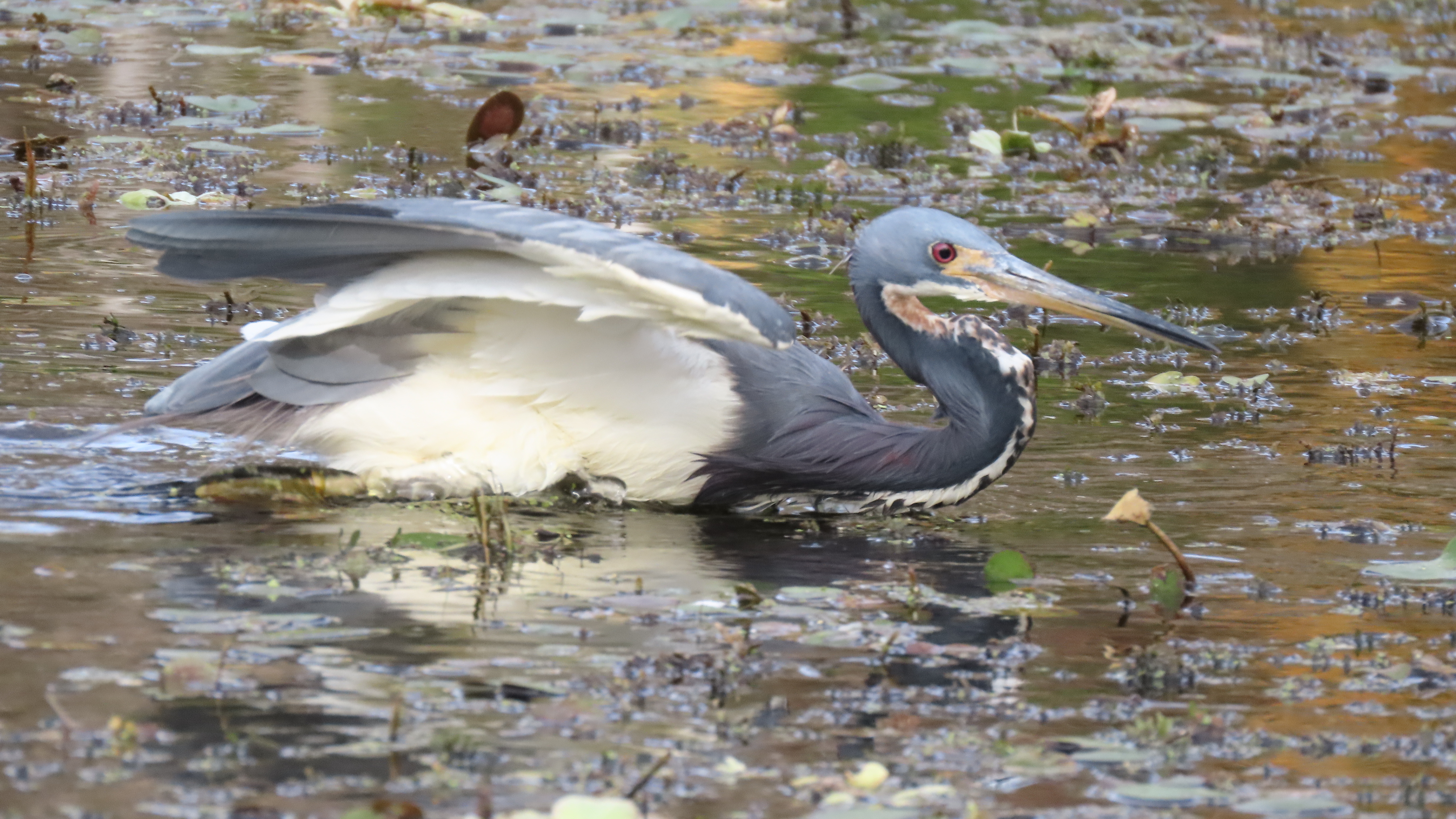
In the four weeks between Angola and Papua New Guinea, almost all our time was devoted to studying and preparing for the latter. But at the end of June, we did get in some nice birding at St. Marks National Wildlife Refuge, where Least Bittern was a highlight, and we also botanized in the extraordinary section of Apalachicola National Forest near the village of Sumatra. This flat area, barely above sea level, has sandy soil that varies from quite dry to rather wet. Extensive Longleaf Pine (Pinus palustris) forests with little mid-story and an understory of Wiregrass (Aristida beyrichiana) are interspersed with small to large, sunny, wet openings. Both the pine savannas and open areas are exceptionally biodiverse and are noted for their remarkable number of rare species, carnivorous plants, and orchids.
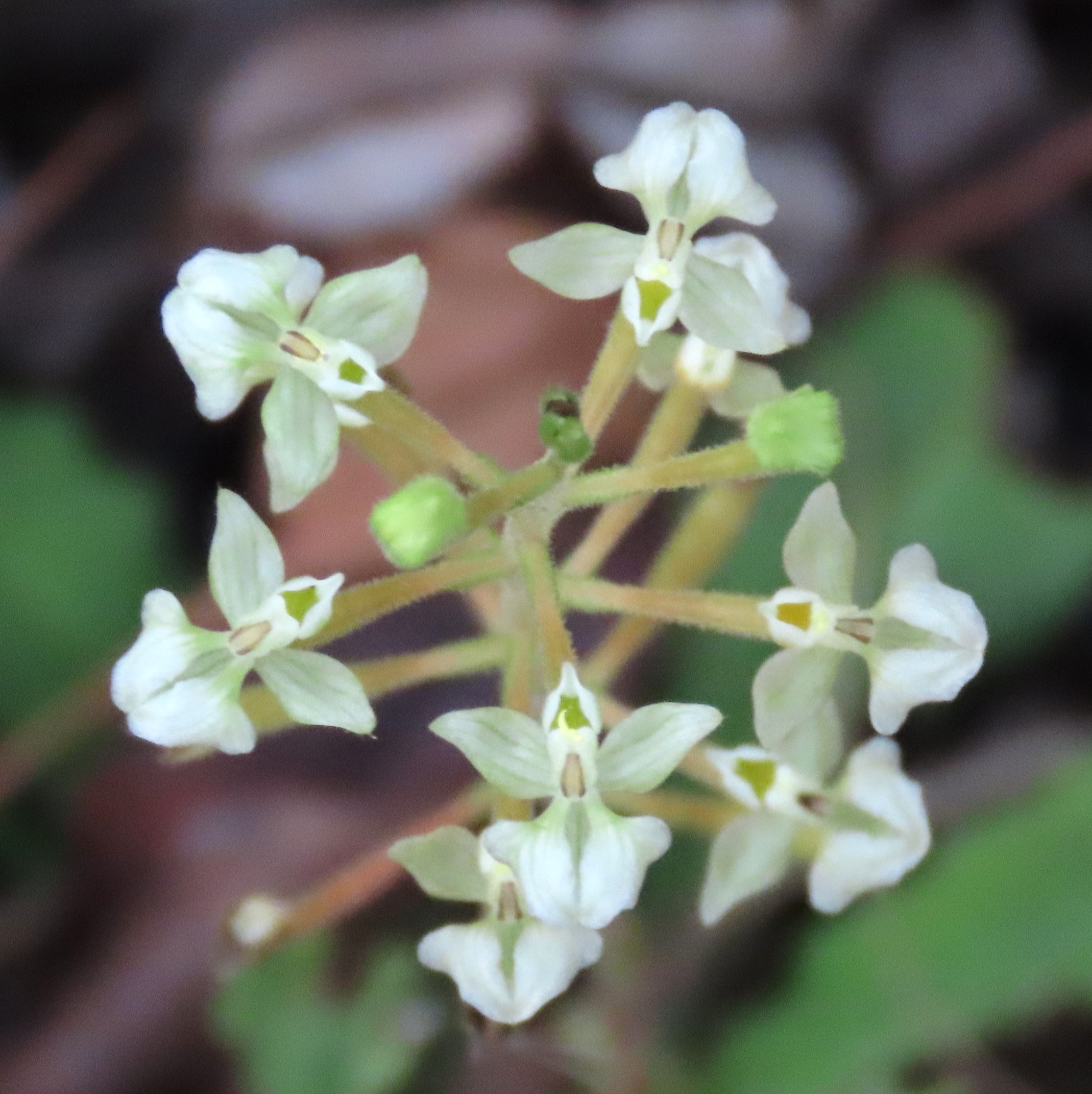
In one very long day, we searched for seven target plants, finding all of them, plus three additional species serendipitously! One new species for us was Southern Bog Asphodel (Triantha racemosa). A congener, T. glutinosa, has recently been shown, by isotopic studies, to derive nutrients from insects, increasing the number of carnivorous plant genera in North America to six.
In August, after PNG, we visited St. Marks National Wildlife Refuge and camped in Florida Caverns State Park, as a trial run for the Fall Road Trip. In the latter we saw several new calciphiles (plants largely restricted to limestone or dolomite substrates) and were surprised to hear a Swainson’s Warbler singing repeatedly in mid-afternoon; this was late in the season and in atypical habitat.
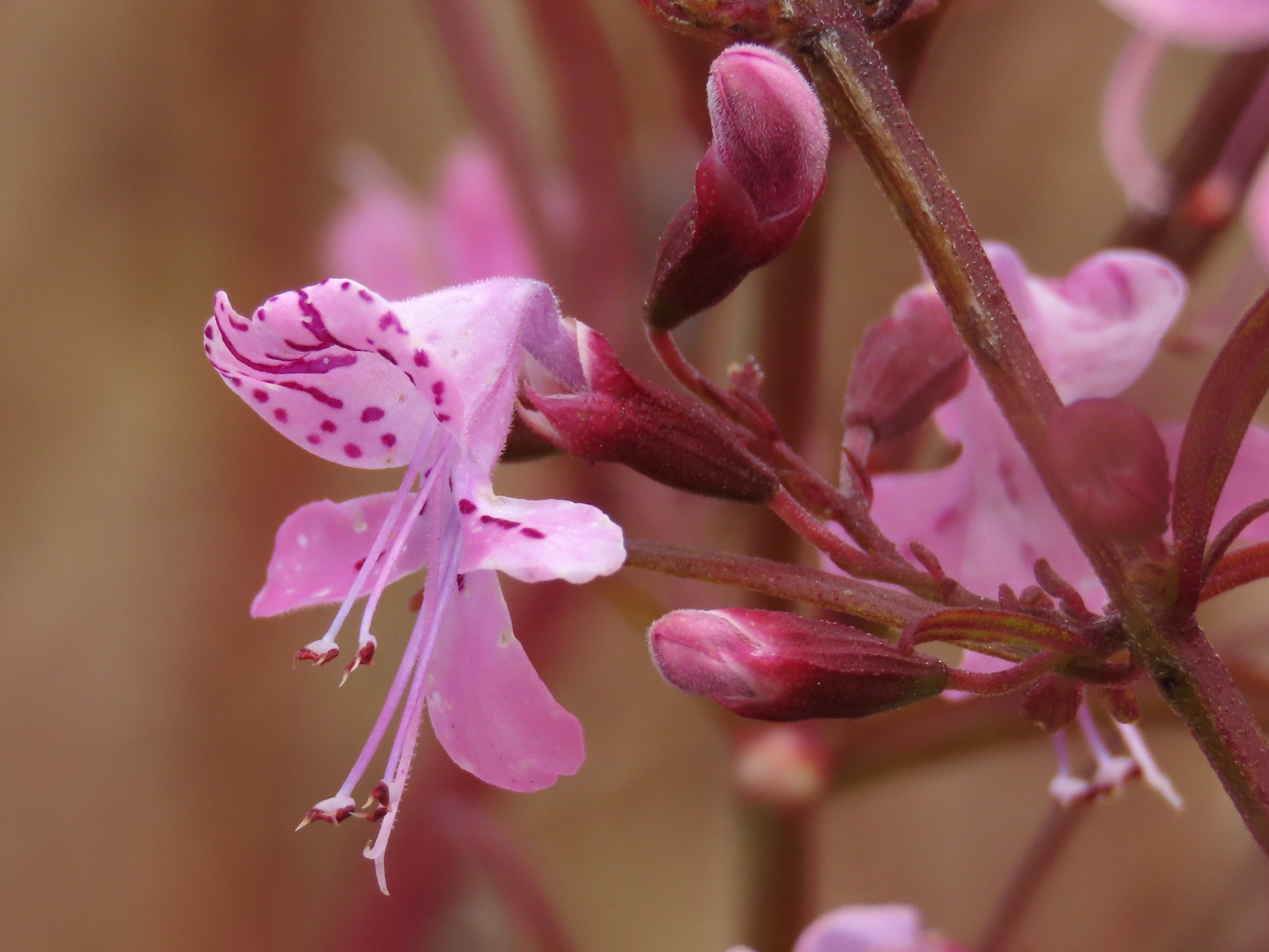
During the first half of November, a time of the year we are not used to much botanizing or paddling, we had fabulous experiences doing both. In just two weeks in three counties, we added 42 new species (!), including three new plant genera: the grass Oplismenus compositus; a lovely orchid, Ponthieva racemosa; and a stunning pink mint, Dicerandera linearifolia var. robustior.
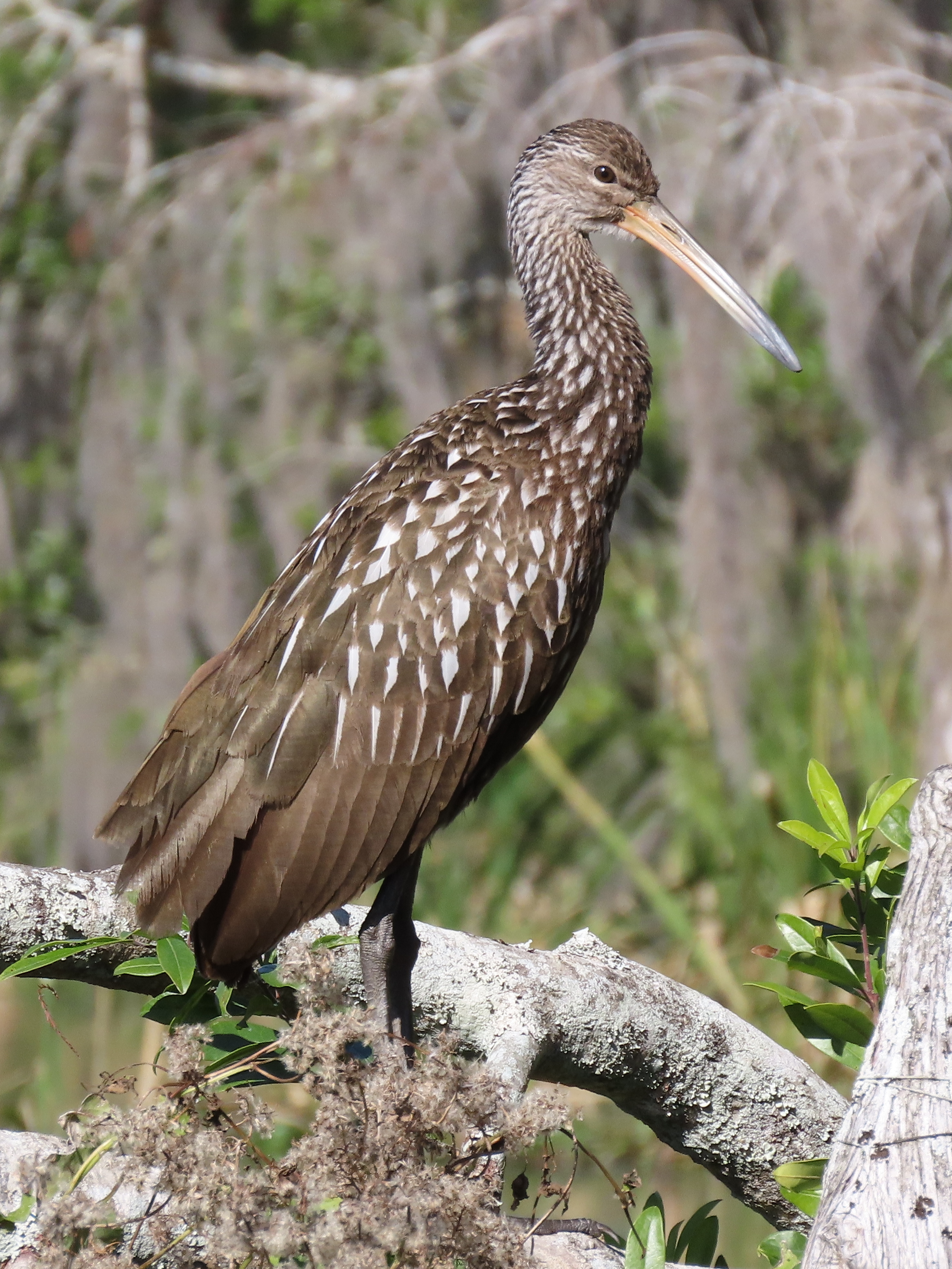
An overnight trip making a big loop, including the Sumatra area, had 14 targets, of which we located 10, but in the process we found another 11 species serendipitously! I had thought that the days of racking up totals like this were well behind us. Additional highlights from this excursion were an elegant orchid, Panther Ladies-tresses (Spiranthes triloba) and two stunning Grass-of-Parnassus species (Parnassia caroliniana and P. grandifolia) growing together. Oh my goodness!
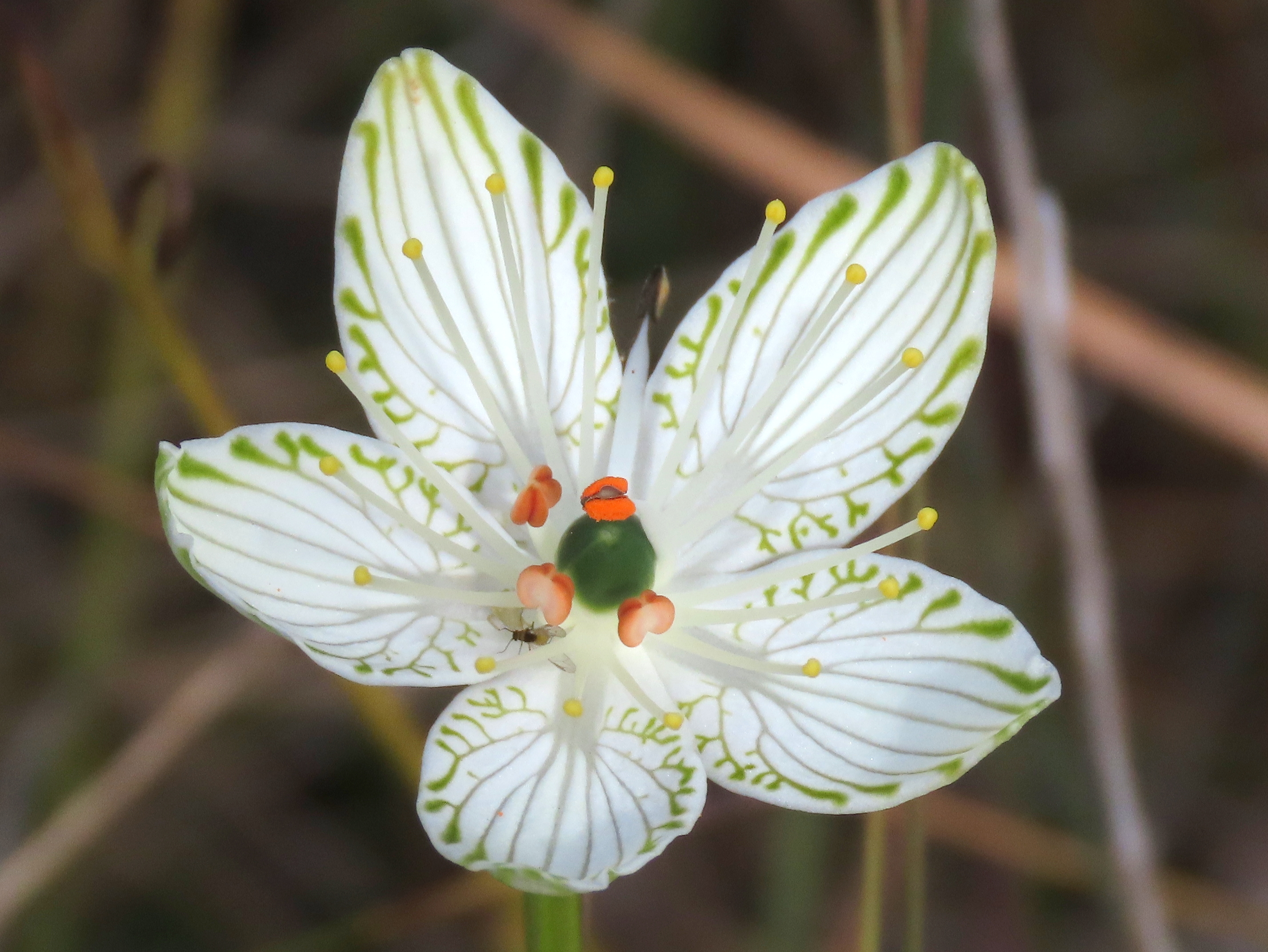
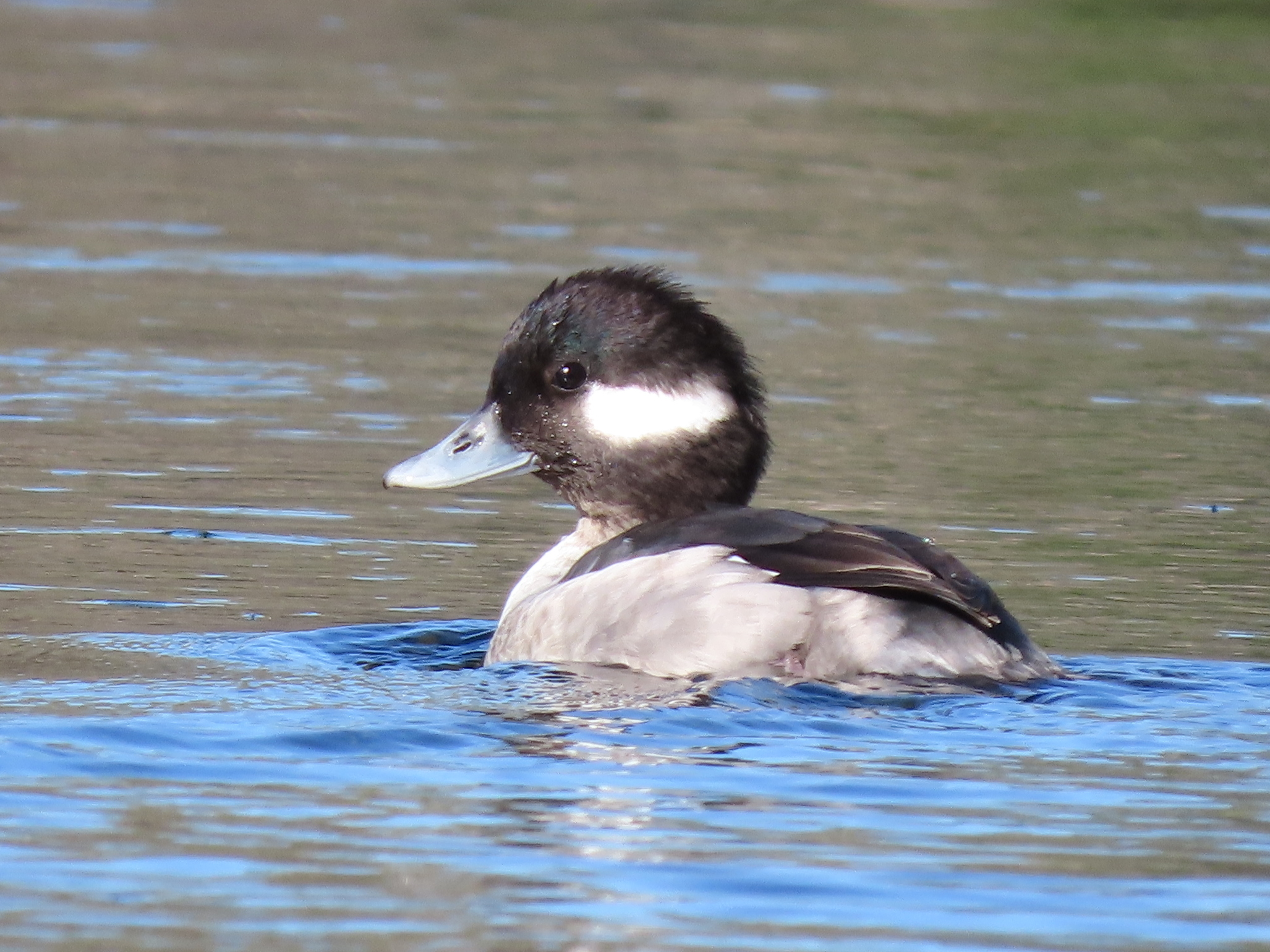
We devoted several day trips to paddling on the fascinating, more or less freshwater ponds near Surf Road in St. Marks National Wildlife Refuge, looking for a suite of special aquatic plants, a group of particular interest to us. This was very successful, yielding six new species, including Xyris panacea, a species with its known worldwide range completely contained within Wakulla County! A nice bonus was a perched Merlin we saw very well. We finished up the year with several more wonderful paddles, particularly enjoying the Wacissa River, with its crystal-clear spring-fed waters and numerous opportunities for bird photography.
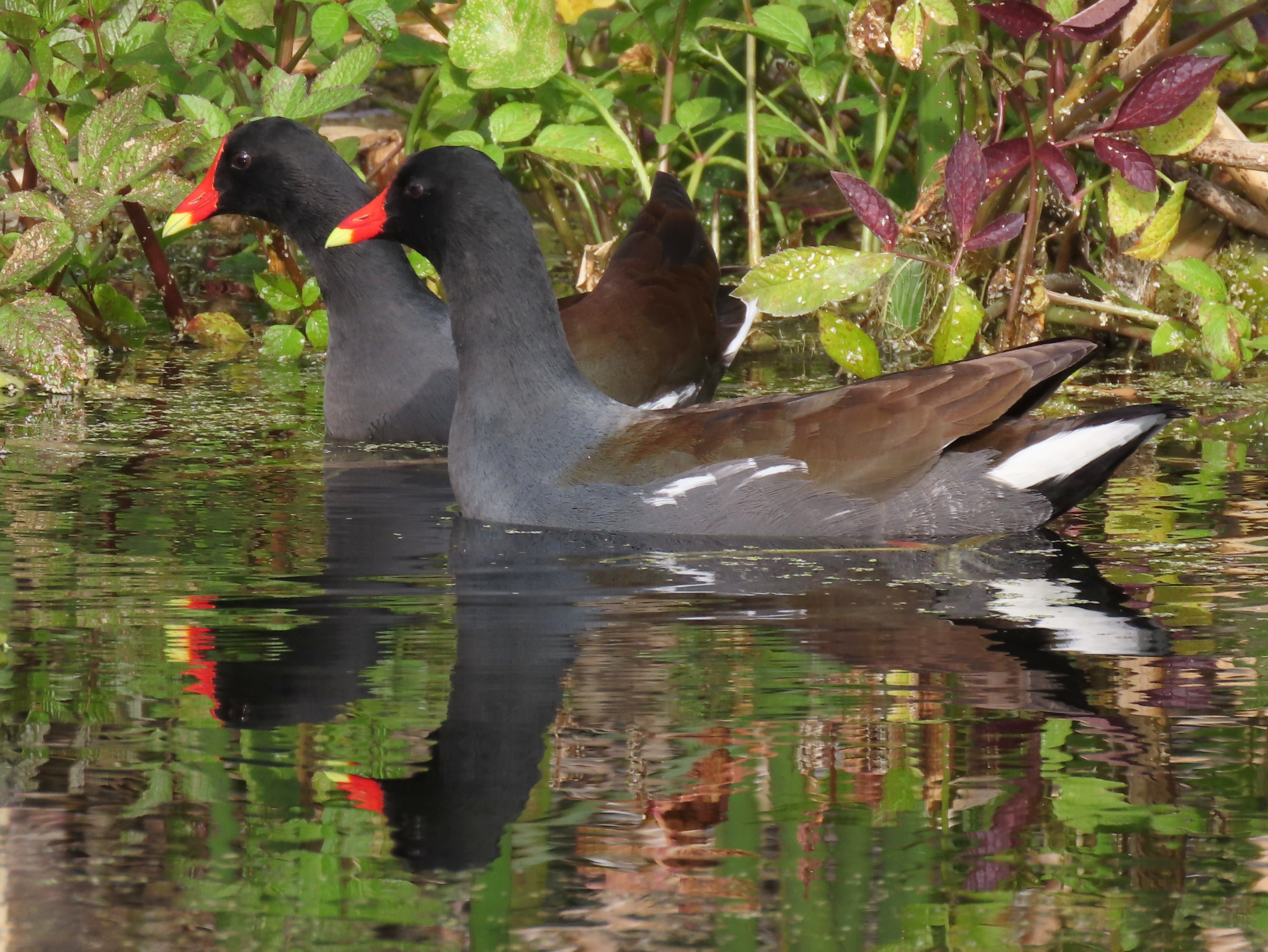
Despite not actually having all that much time in Tallahassee because of travel, we did spend about 37 days in the field exploring within a couple of hours of town, finding a total of 103 new taxa (species, subspecies, and varieties). Combined with the 83/82 new taxa on the Spring/Fall Road Trips, we added a total of 268 new taxa in the Continental United States and Canada (CUSC), bringing our total to 9814.
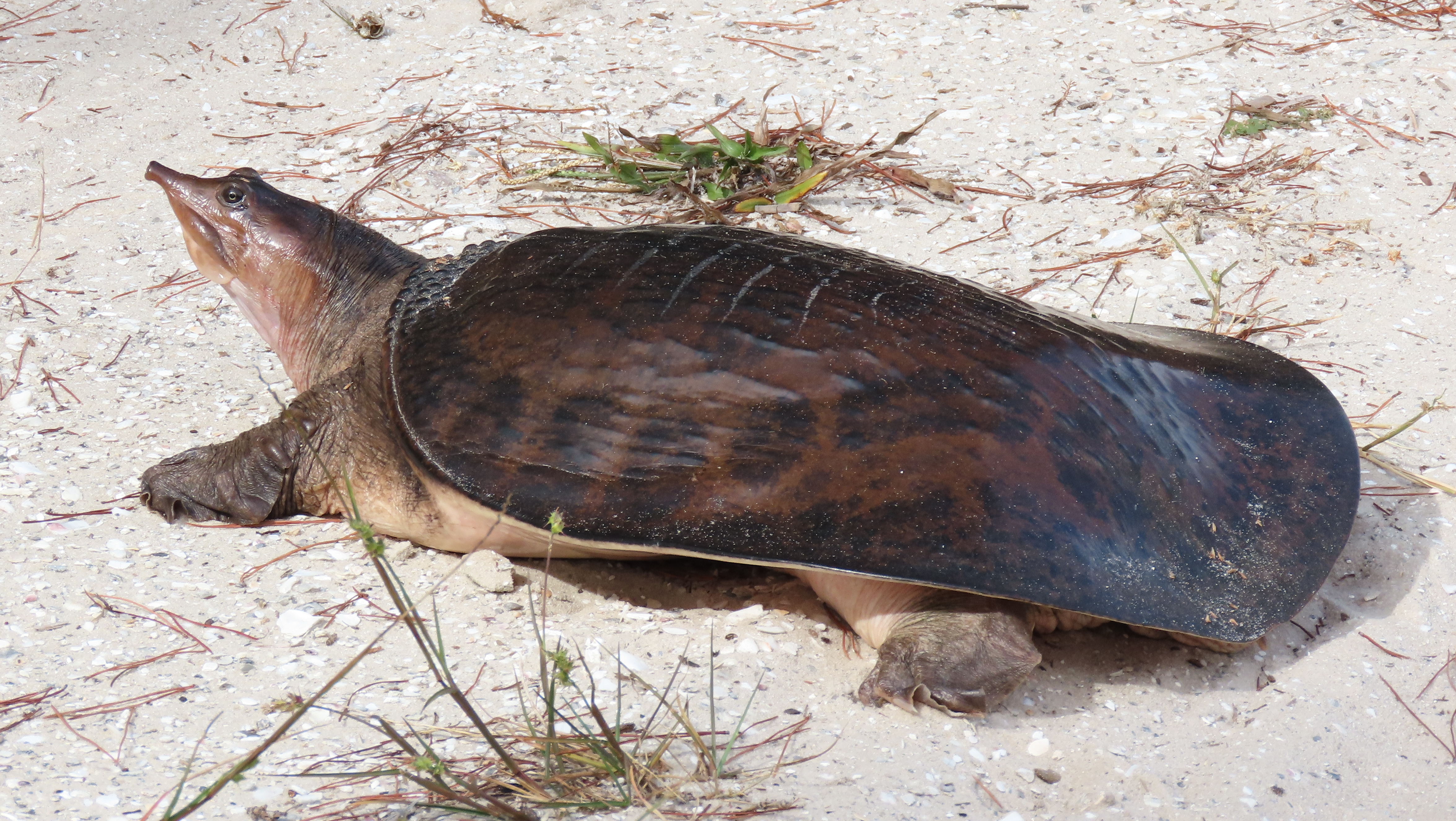
Although the vast majority (about 89%) of the new taxa were vascular plants, we did also add species of reptiles, amphibians, molluscs, fish, lichens, liverworts, mammals (subspecies only), dragonflies, damselflies, butterflies, moths, and other insects. We won’t have much time for field work in CUSC in 2026, with plans to spend six months in Australia, as well as short trips to Belize and Mexico, but we should stand a good chance of reaching our goal of 10,000 taxa in CUSC by 2027.
 Nomadic Naturalists
Loved the new carnivorous Plant. My granddaughter just left to go back to Rochester, while here she showed me photos of the baby in her belly which would be their first she is two and a half month along and doing fine. Catching lots of EVGR at the house. Safe travels, Gary
LikeLike